Gardening Guide
Creating a Butterfly Garden in Southern California
Written by Sharon Colayco, Certified California Native Plant Landscaper
Southern California is home to more than 170 species of butterflies, each playing an important role in our local ecosystem.
Creating a butterfly garden is one of the most rewarding ways to support biodiversity, bring life to your landscape, and enjoy nature right outside your door.
Start with Both Host Plants and Nectar Plants
One of the biggest mistakes gardeners make is planting only flowers for adult butterflies. A successful butterfly garden needs two types of plants: host plants for caterpillars and nectar plants for adult butterflies.
Host Plants
Host plants are where butterflies lay their eggs and where caterpillars feed after hatching. Different butterfly species require different host plants.
Narrowleaf Milkweed
Narrowleaf Milkweed is the host plant for Monarch butterflies (Danaus plexippus). Monarchs lay their eggs exclusively on milkweeds, and the caterpillars cannot survive without them.
California Buckwheat
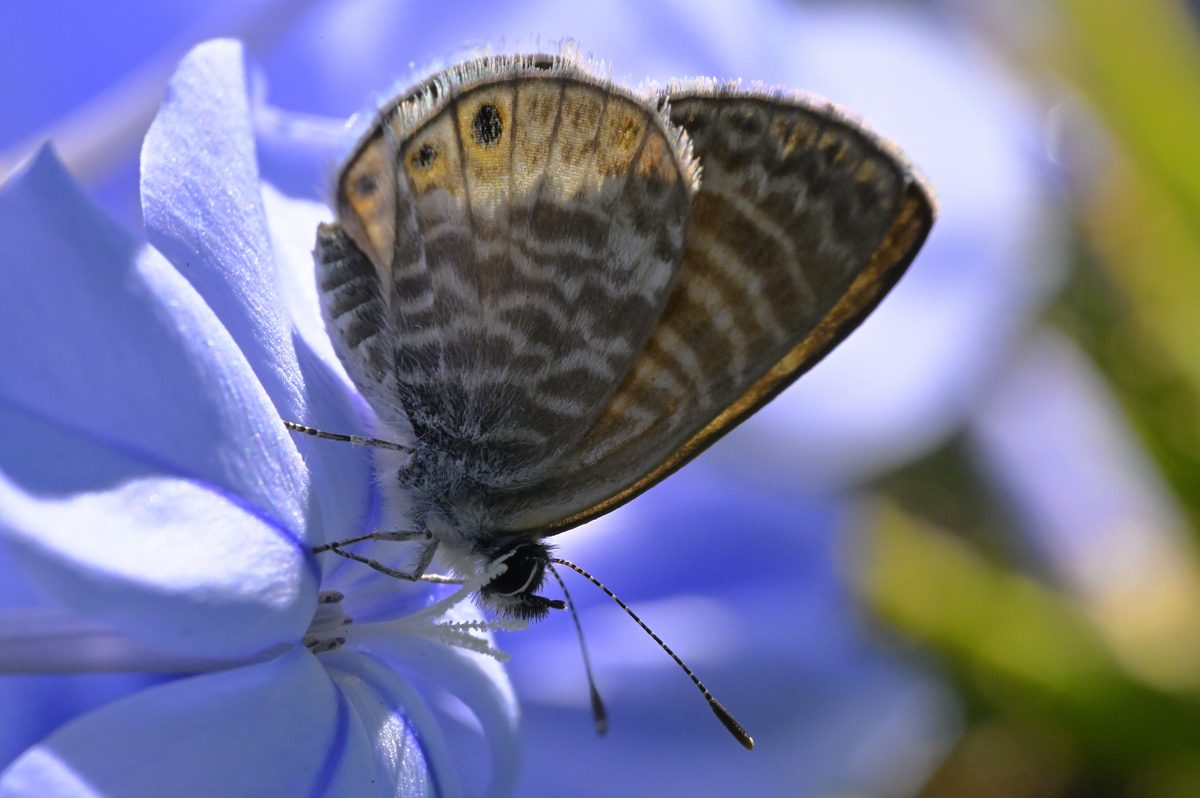
California Buckwheat serves as a host plant for Acmon Blue, Square-spotted Blue, and other native blue butterflies.
Hollyleaf Cherry
Hollyleaf Cherry is the host plant for the beautiful California Hairstreak butterfly. Caterpillars feed on the leaves, while adults often nectar on nearby flowers.
Without host plants, butterflies may visit your garden briefly, but they won't be able to complete their life cycle there.
Nectar Plants
Adult butterflies need nectar-rich flowers for energy. Planting a variety of flowering plants that bloom throughout the year helps provide a continuous food source.
California Lilac
California Lilac attracts Monarchs, Painted Ladies, Mourning Cloaks, and many native pollinators in spring.
Golden Yarrow
Golden Yarrow is a favorite nectar source for Skippers, Sulphurs, Blues, and Painted Ladies.
Cleveland Sage
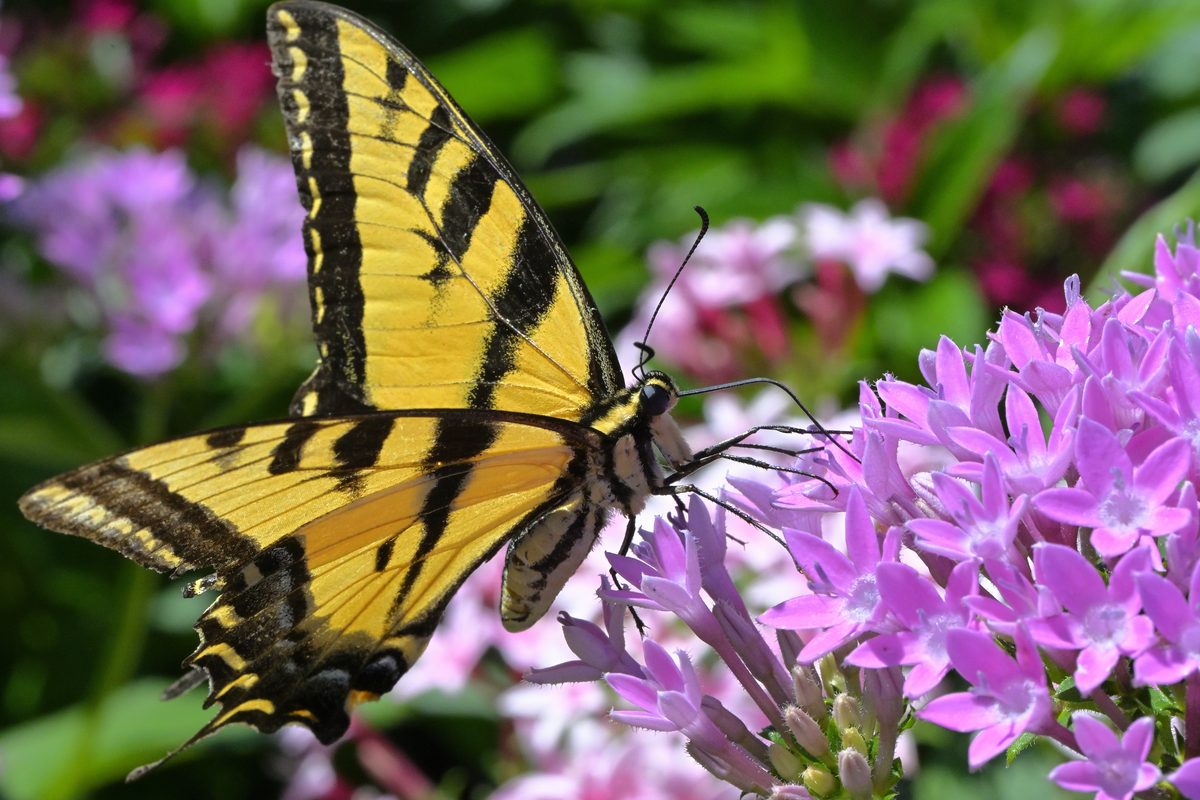
Cleveland Sage provides abundant nectar for swallowtails, skippers, painted ladies, and many native bees.
Build a Garden They'll Keep Coming Back To
Butterflies are remarkably good at finding habitats that provide the food and shelter they need. By planting a diverse mix of host plants and nectar plants, your garden can become a reliable stop for butterflies year after year. As local butterflies reproduce, new generations may continue to use the same habitat, making your garden an important refuge for Southern California's butterfly populations.
Skip the Chemicals
A butterfly garden should be a safe haven for wildlife. Avoid using insecticides, herbicides, and fungicides.
While these products may target unwanted pests or weeds, they can also harm caterpillars, butterflies, bees, ladybugs, and countless other beneficial insects that help keep your garden healthy and balanced.
A truly thriving butterfly garden embraces nature's ecosystem rather than trying to control it with chemicals.
Create Biodiversity in Bloom
Butterfly gardens do more than attract butterflies. They support native bees, birds, beneficial insects, and other wildlife while creating a beautiful, vibrant landscape filled with movement and seasonal interest.
Need Help Designing a Butterfly Garden?
Whether you're starting with a small planting bed or transforming an entire landscape, a thoughtfully designed butterfly garden can provide year-round beauty and valuable habitat for Southern California wildlife.
Butterfly Effect Garden Design specializes in creating beautiful, sustainable landscapes that support pollinators, birds, and biodiversity.
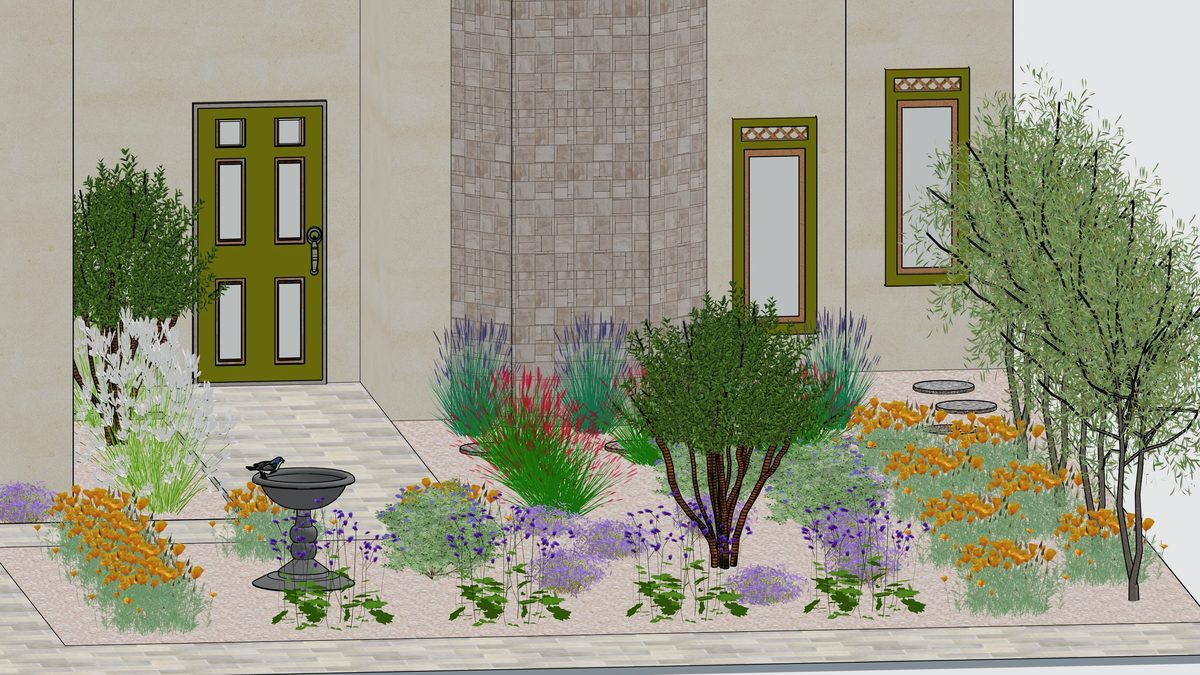
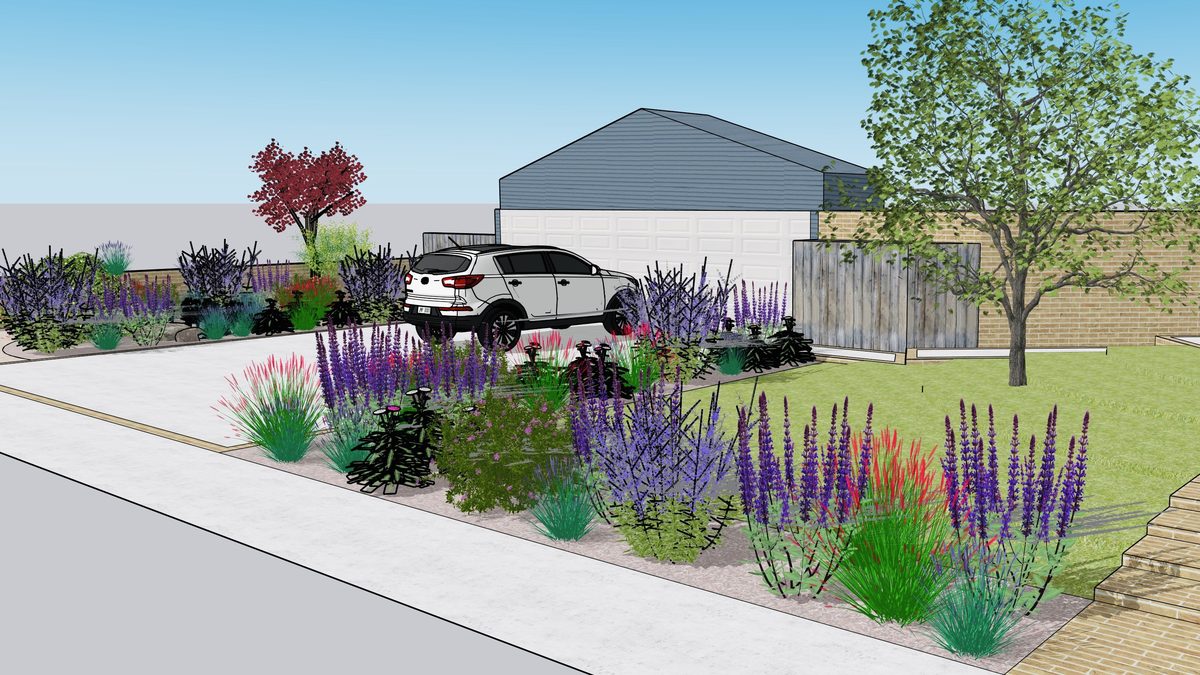
Visit ButterflyEffectGarden.com to learn more or contact us about designing your own butterfly-friendly garden.
Butterfly Effect Garden Design — Biodiversity in Bloom